
Air conditioning
Climate and Environment at billerbeck
Environmental Management and Concrete Measures for Climate and the Environment
Climate and the environment are important areas of action within our operational environmental management. Our goal is to continuously improve our environmental performance and systematically integrate relevant environmental aspects into our business processes. The basis for this is our environmental management system certified according to DIN EN ISO 14001. It enables us to identify and assess relevant environmental aspects, define objectives and measures, and regularly review their implementation. The areas considered include, in particular, energy consumption, raw materials and materials, production processes, buildings, waste, packaging, transport and logistics.
On the way to becoming a CO2-neutral production site
DIN EN ISO 14001: Environmental Management at billerbeck
Since 2019, billerbeck’s environmental management system has been certified according to DIN EN ISO 14001 and is regularly monitored. The environmental management system provides a binding framework for systematically assessing environmental aspects and identifying concrete opportunities for improvement.
Among other things, we consider:
- energy use and energy sources
- raw materials and materials
- production processes
- water consumption
- waste and recycling
- packaging
- transport and logistics
- buildings and technical equipment
The continuous improvement of our environmental performance is an integral part of this environmental management system.
Renewable Energy for Our Production
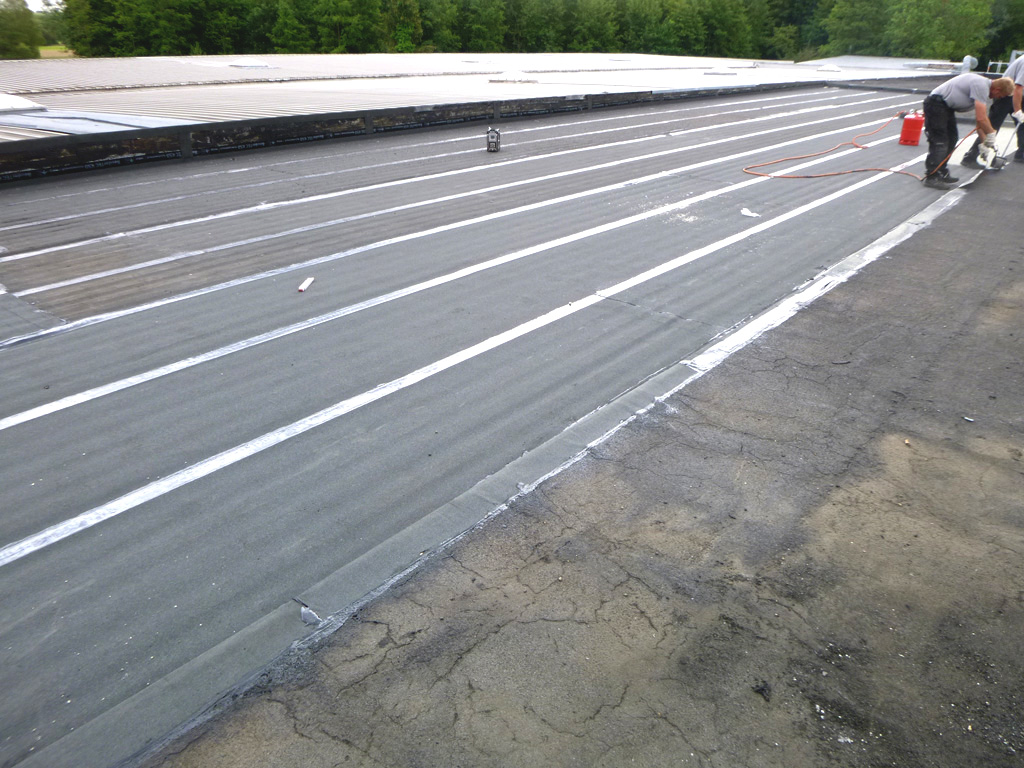
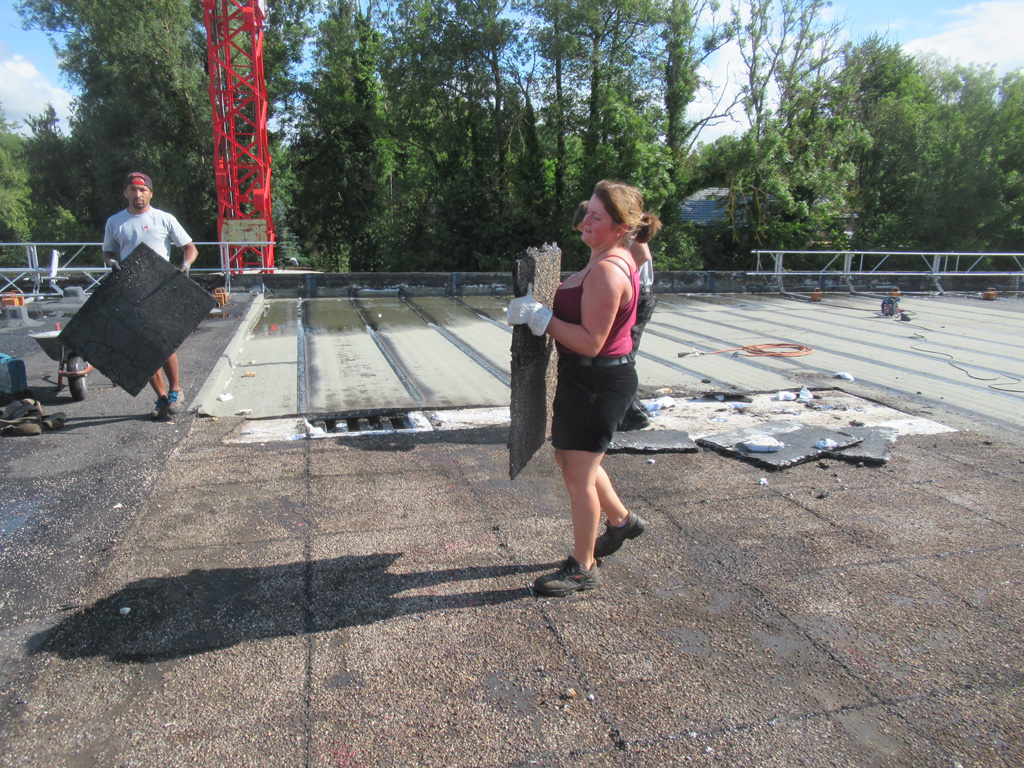
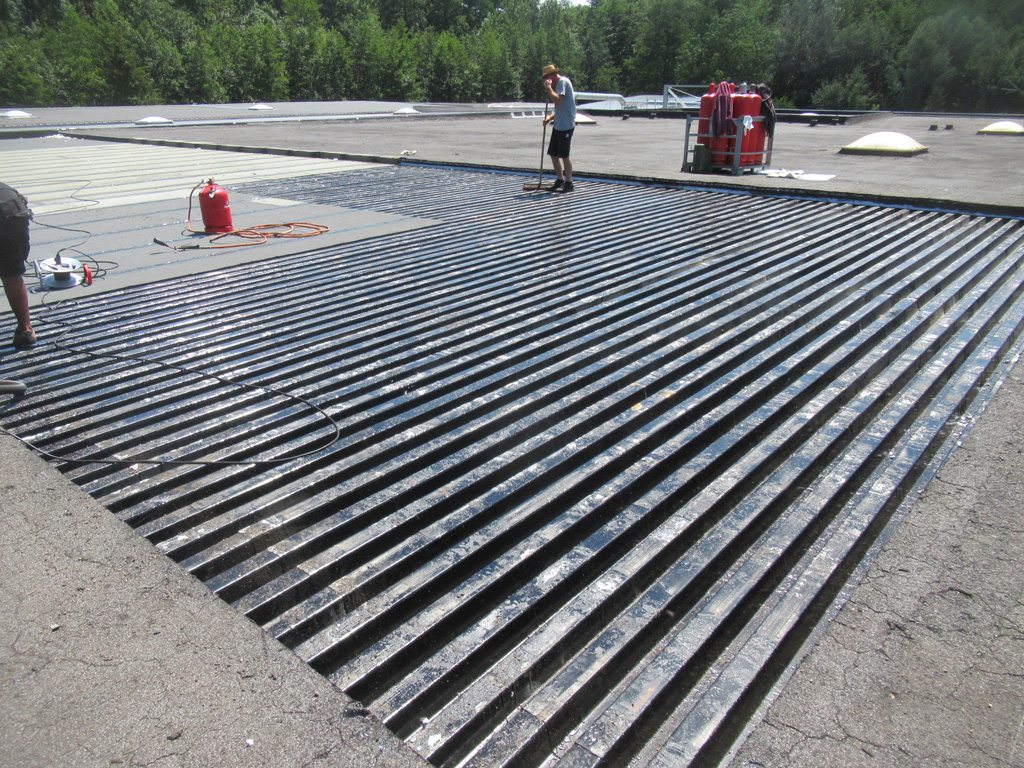
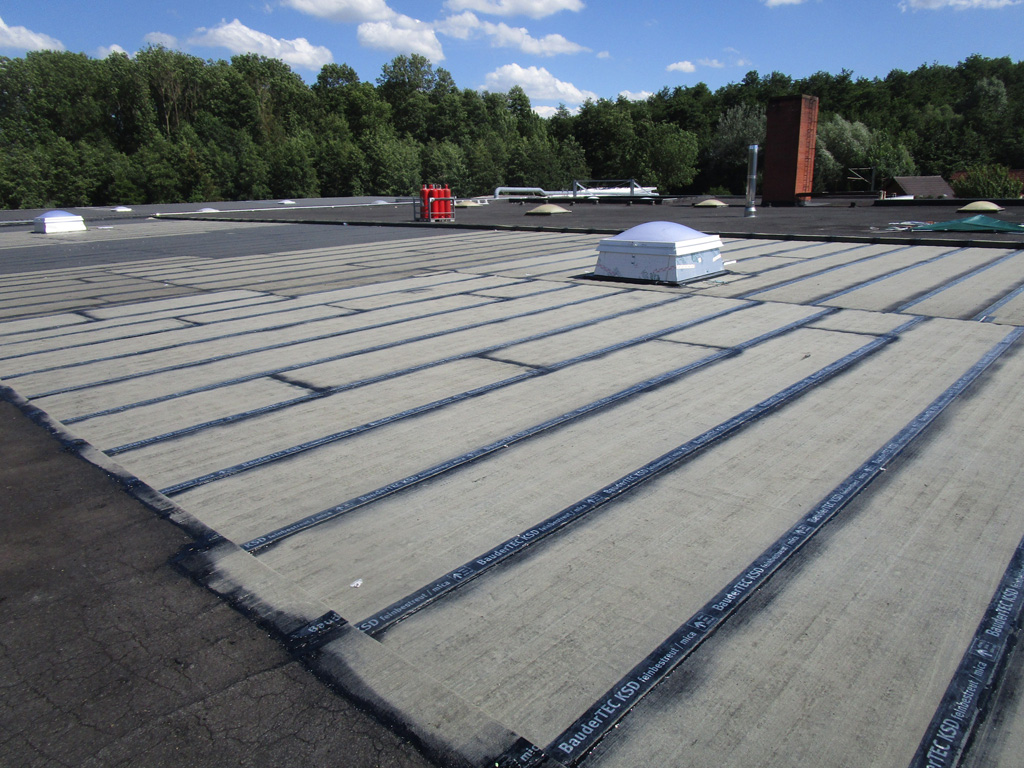
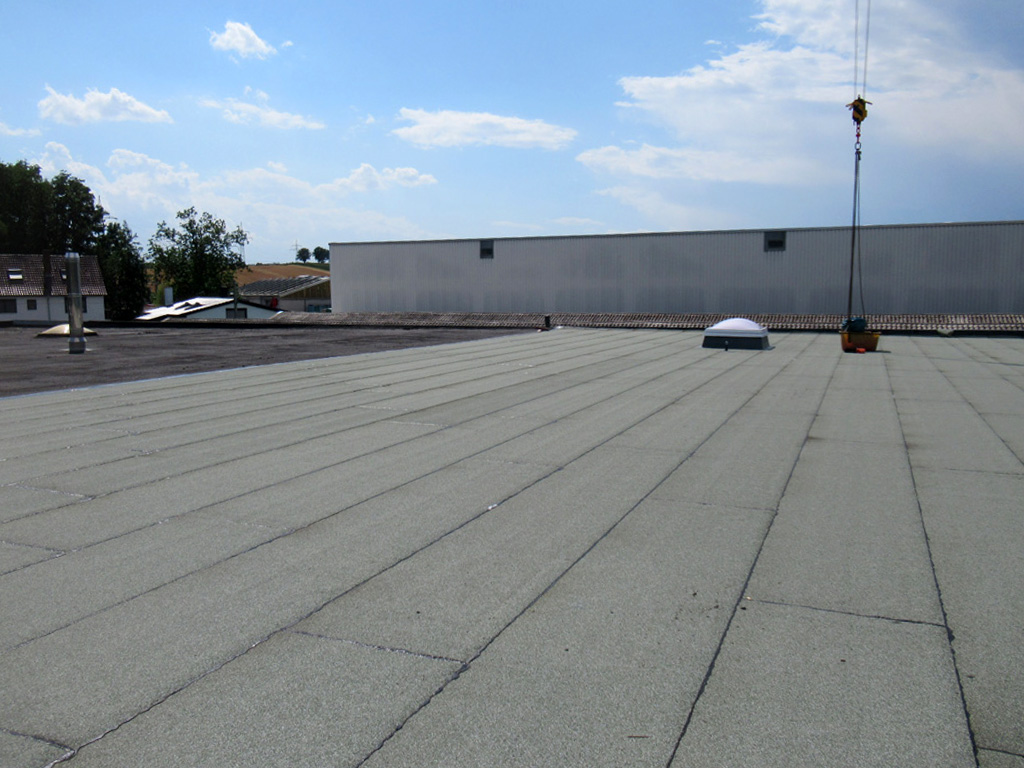
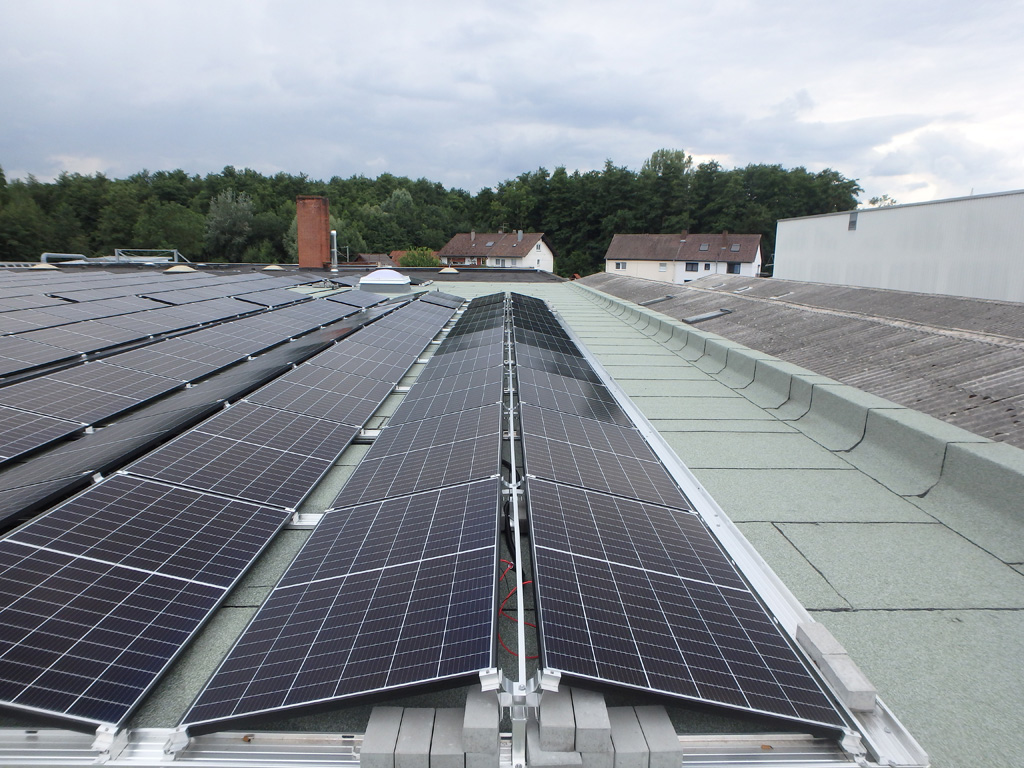
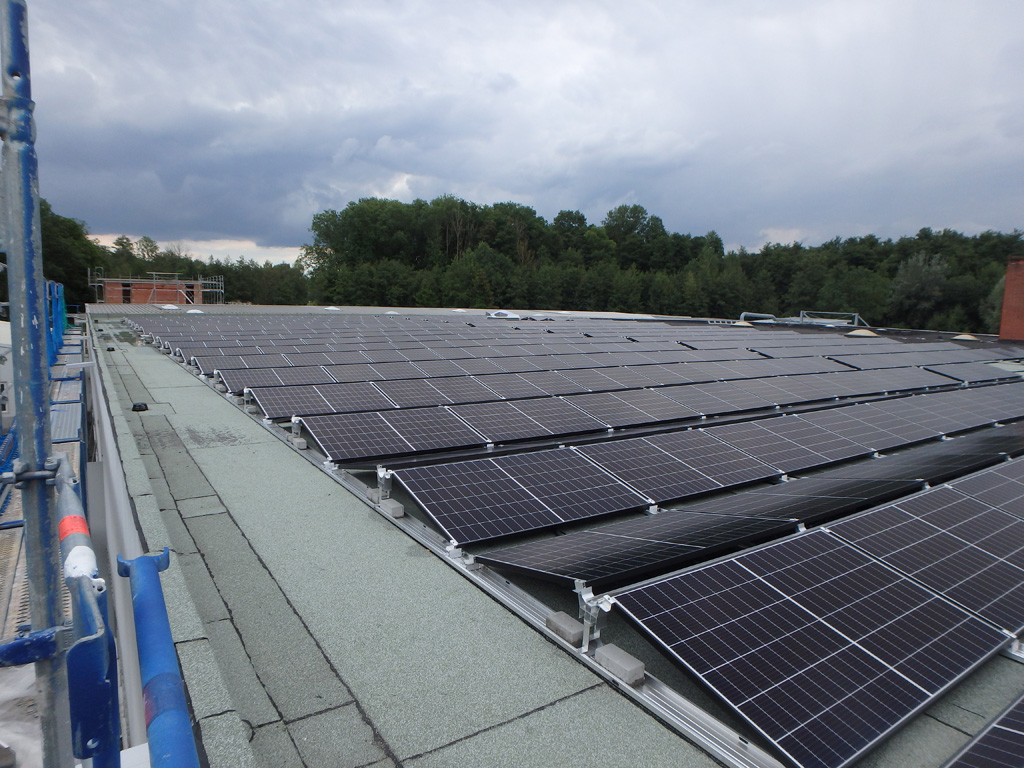
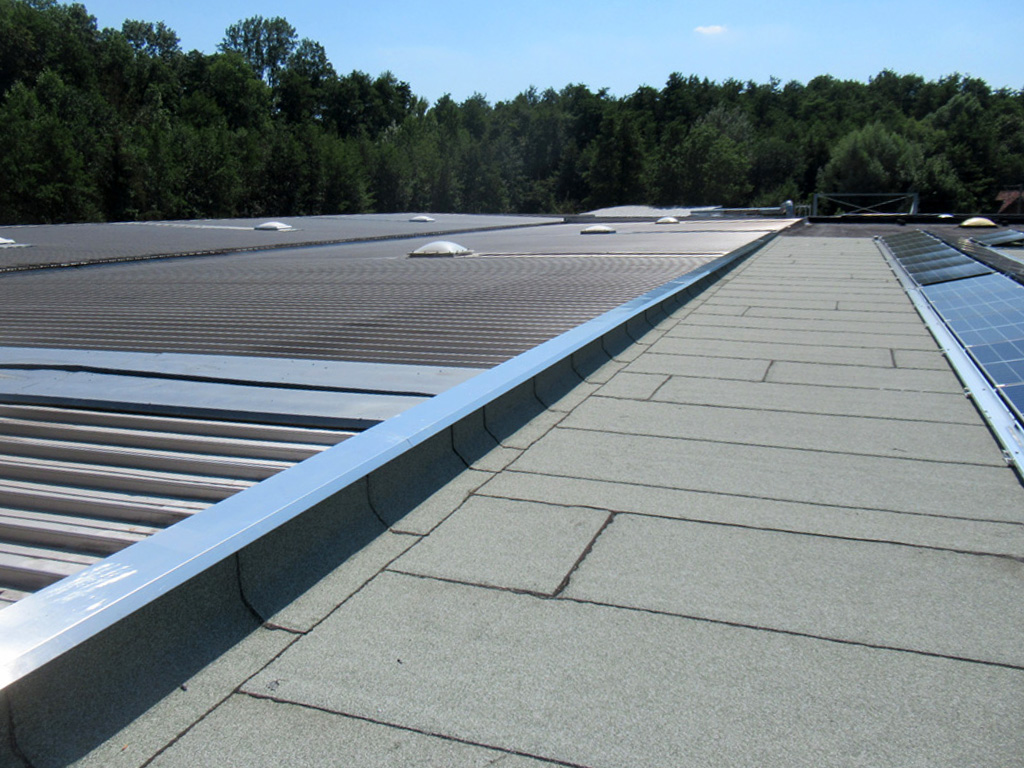
One focus of our measures for climate and the environment is the energy supply for our production. We operate a photovoltaic system on the roof of our production facility. It was expanded in October 2022 and has a peak output of 165 kWp. For production, billerbeck uses electricity generated by its own photovoltaic system. Any additional electricity required is purchased as green electricity. This means that the electricity used for production and the additional electricity purchased comes from renewable energy sources. We avoid broad claims such as “CO₂-neutral production” and instead provide specific information about the energy sources used and the measures implemented.
Energy Efficiency through Modern Equipment and Building Technology
We also take energy consumption into account when modernising our production facilities and buildings.
Various technical measures have been implemented in recent years, including:
- modernisation of the extraction system
- replacement of the heating burner
- replacement of the compressed-air compressor
- modernisation of machinery and production equipment
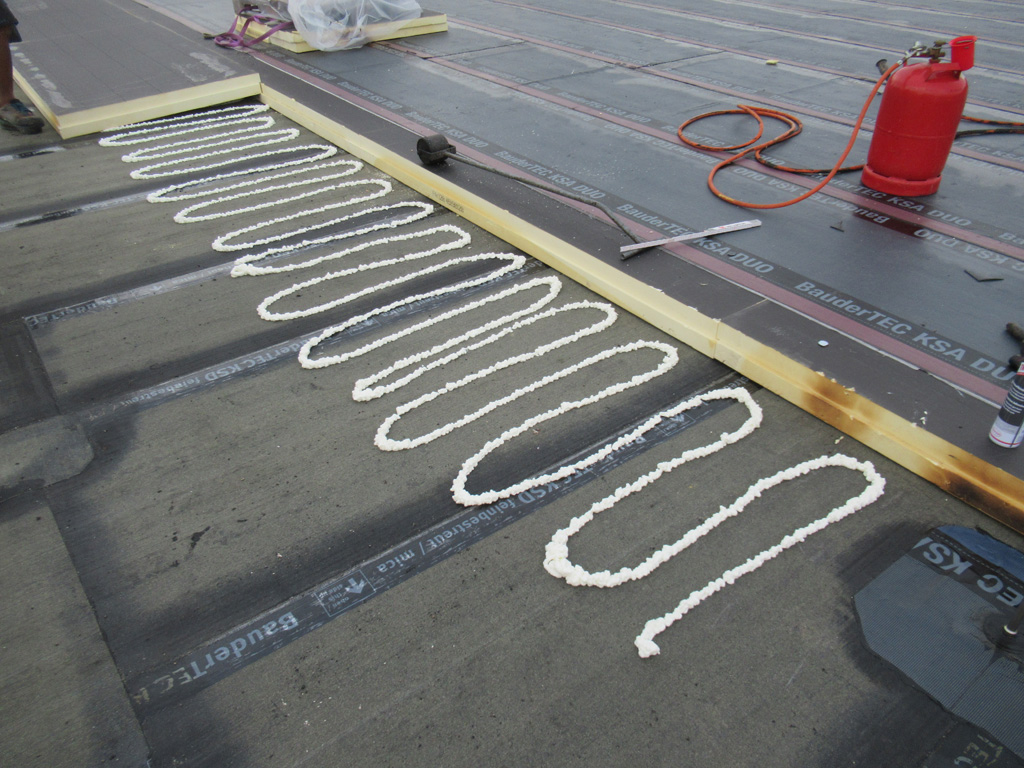
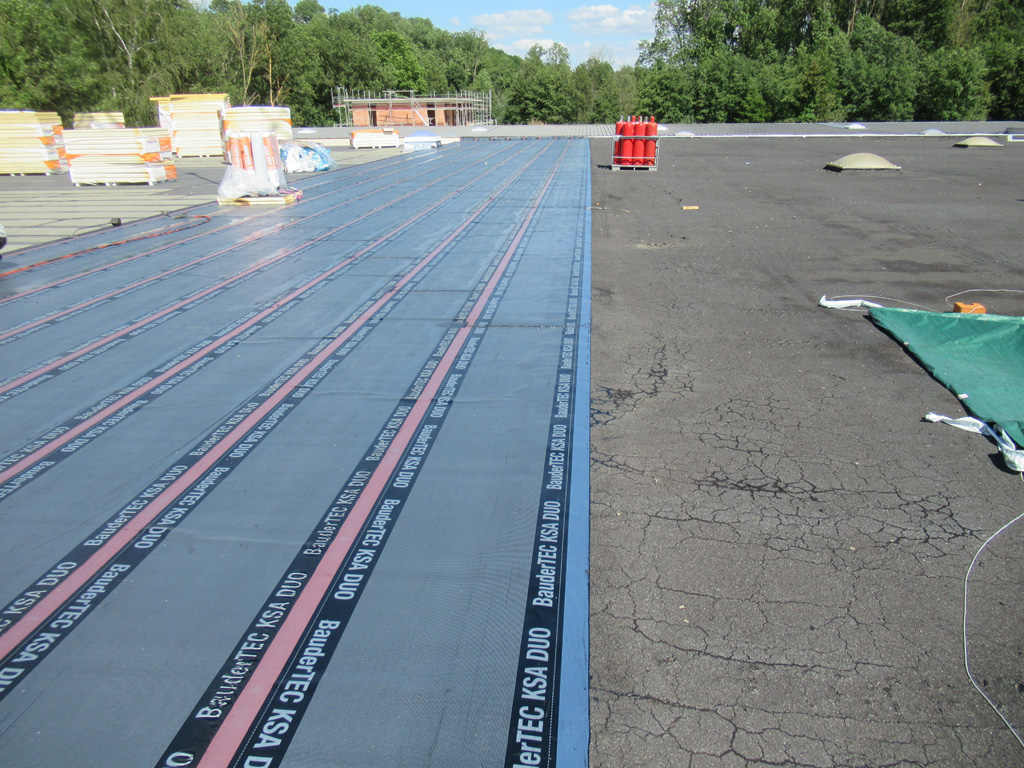
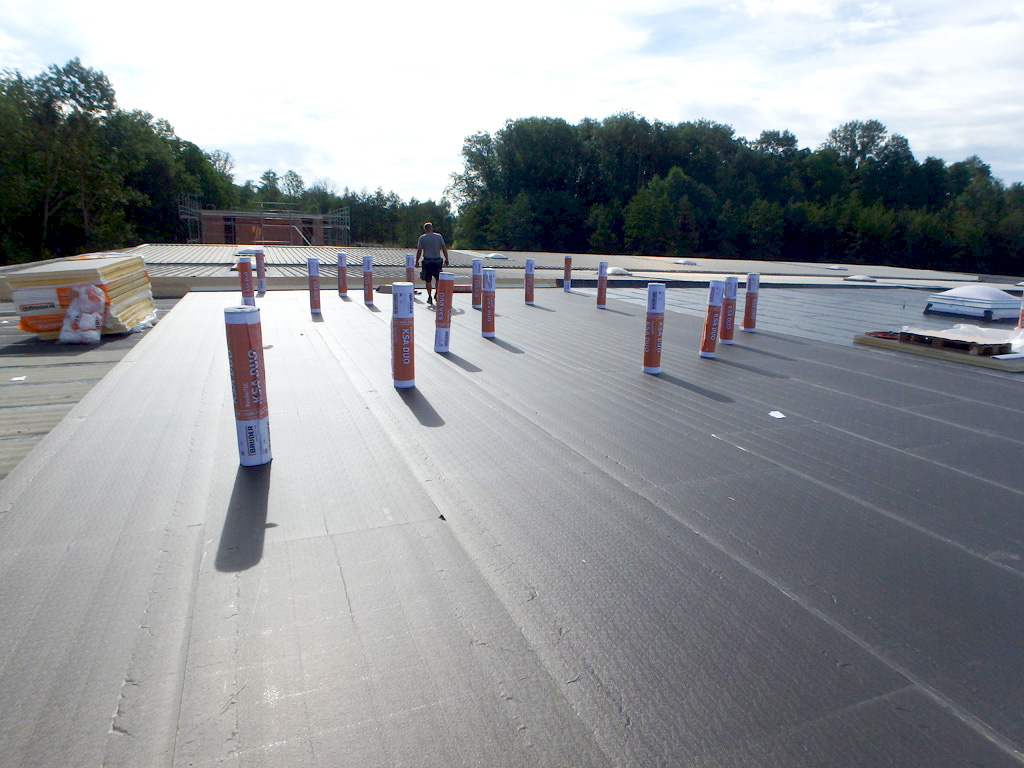
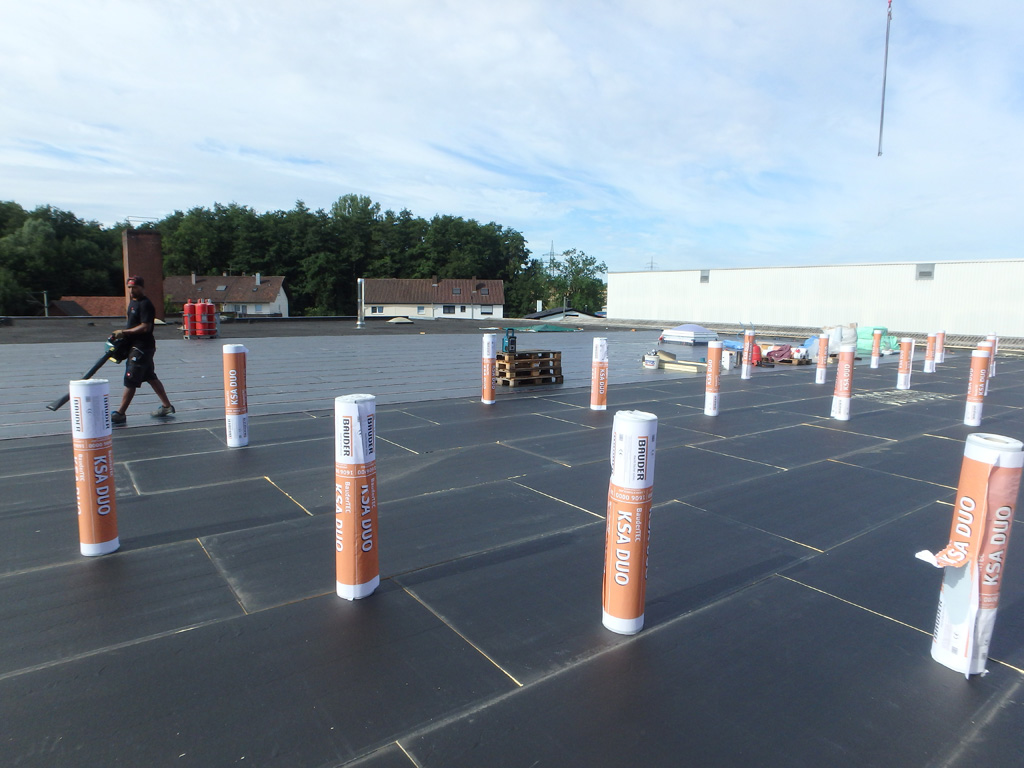
- improvement of thermal insulation in individual buildings
New or modernised equipment is also assessed in terms of its impact on energy and material use. Where concrete savings can be determined on the basis of operational data, these are taken into account when evaluating our measures.
Heat Recovery in Production
We also use technical measures to improve energy efficiency when processing down and feathers. A heat recovery system is used during the drying process. According to our operational calculations, this reduces heating oil consumption by approximately 4 kg per operating hour.
Depending on actual annual usage, this corresponds to savings of around 6,000 to 8,000 kg of heating oil per year. These figures relate to the specific process assessed and the underlying operational consumption data.
Intelligent Heating Control in Office Areas
The heating of our office areas has also been technically optimised. In 2022, the heating controls were replaced and an automated temperature control system was installed. Heating times are aligned with operational usage periods. This helps avoid unnecessary heating outside the required periods. Actual developments in energy consumption are monitored as part of our operational energy management.
LED Lighting in Production and Administration
The lighting in our company buildings and production areas has been converted to LED technology. Special requirements had to be taken into account, particularly in the production halls. The lighting must be configured so that different shades of white in the textiles being processed can be reliably distinguished. LED lighting combines these requirements with more efficient energy use compared with older lighting technologies.
Energy Audits as a Basis for Further Measures
Since 2015, billerbeck has regularly carried out the legally required energy audits. The audits are used to record relevant energy consumption and identify areas where technical or organisational improvements may be possible. The results therefore provide an important basis for evaluating existing measures and planning further steps.
Electric Vehicles and Our Own Charging Infrastructure
Mobility is also one of our operational areas of action. When acquiring new company vehicles, billerbeck also uses electric vehicles. A dedicated charging infrastructure is available on the company premises. Electric vehicles represent one specific measure within our company fleet. We do not derive any general claim about the climate impact of the entire company or our products from this measure.
Transport and Logistics
We also examine opportunities to organise internal and external transport processes more efficiently. Through planned transport routes, we aim to avoid empty journeys wherever possible and organise transport routes more efficiently. Digital systems also support us in planning and managing logistics processes.
Digitalisation and Paper Consumption
The digitalisation of various business processes enables more workflows to be handled digitally. For example, the printing of brochures has been reorganised. More demand-oriented production processes allow paper use to be managed more precisely. Warehouse and administrative processes have also been digitalised. The warehouse management software used supports, among other things, route optimisation during order picking and structured process management. Our goal is to digitalise further processes where this provides meaningful support for operational workflows.
Avoiding Waste and Reusing Materials
As part of our environmental management, we also consider waste and material flows. Where technically and organisationally possible, we aim to avoid material losses and reuse suitable materials or send them for recycling. This includes, for example, reusing cardboard boxes that are still suitable for use. When investing in new machinery and production processes, we also consider whether material losses or waste volumes can be reduced.
Fewer Single-Use Cups in Everyday Work
Even small operational measures can help reduce material consumption. Our coffee machines no longer automatically dispense single-use plastic cups. Employees use their own cups or reusable containers instead. This avoids the corresponding use of single-use cups in our day-to-day operations.